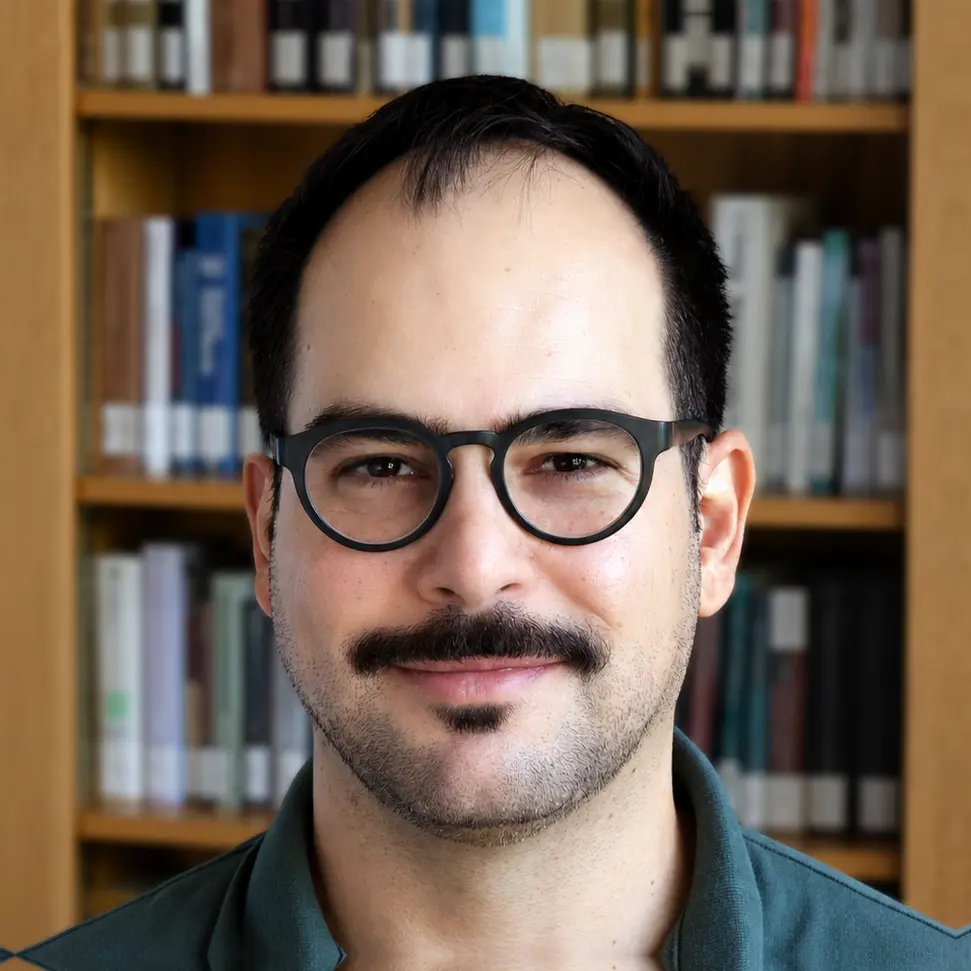
B.A. University of Pisa M.A. University of Pisa PhD Johns Hopkins University
Joined TJ in 2023
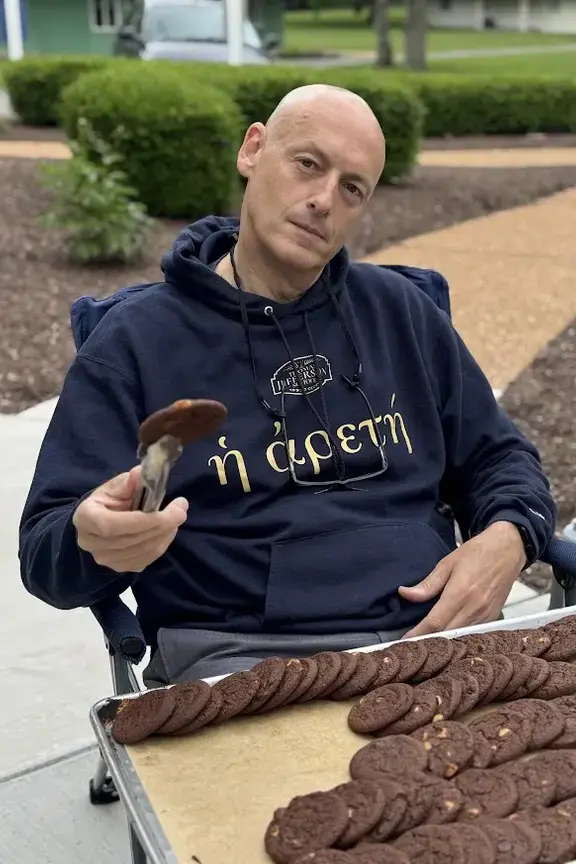
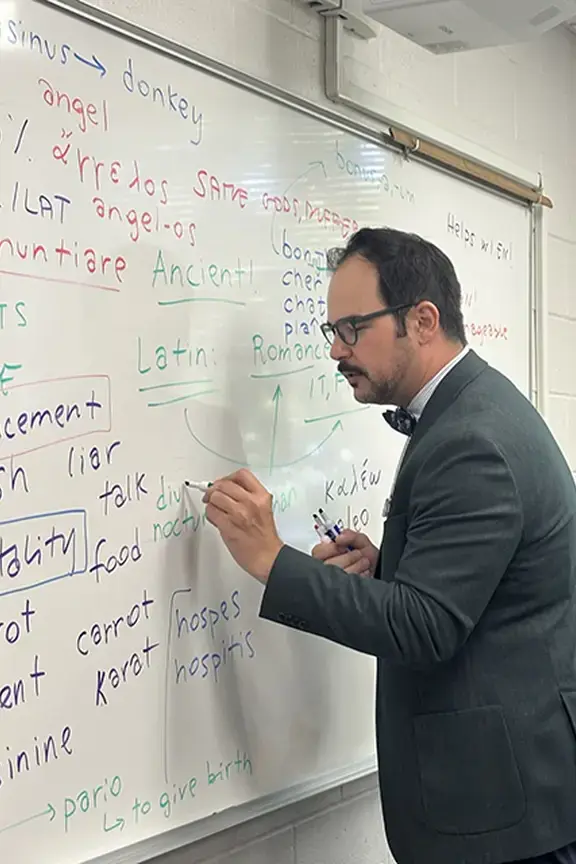
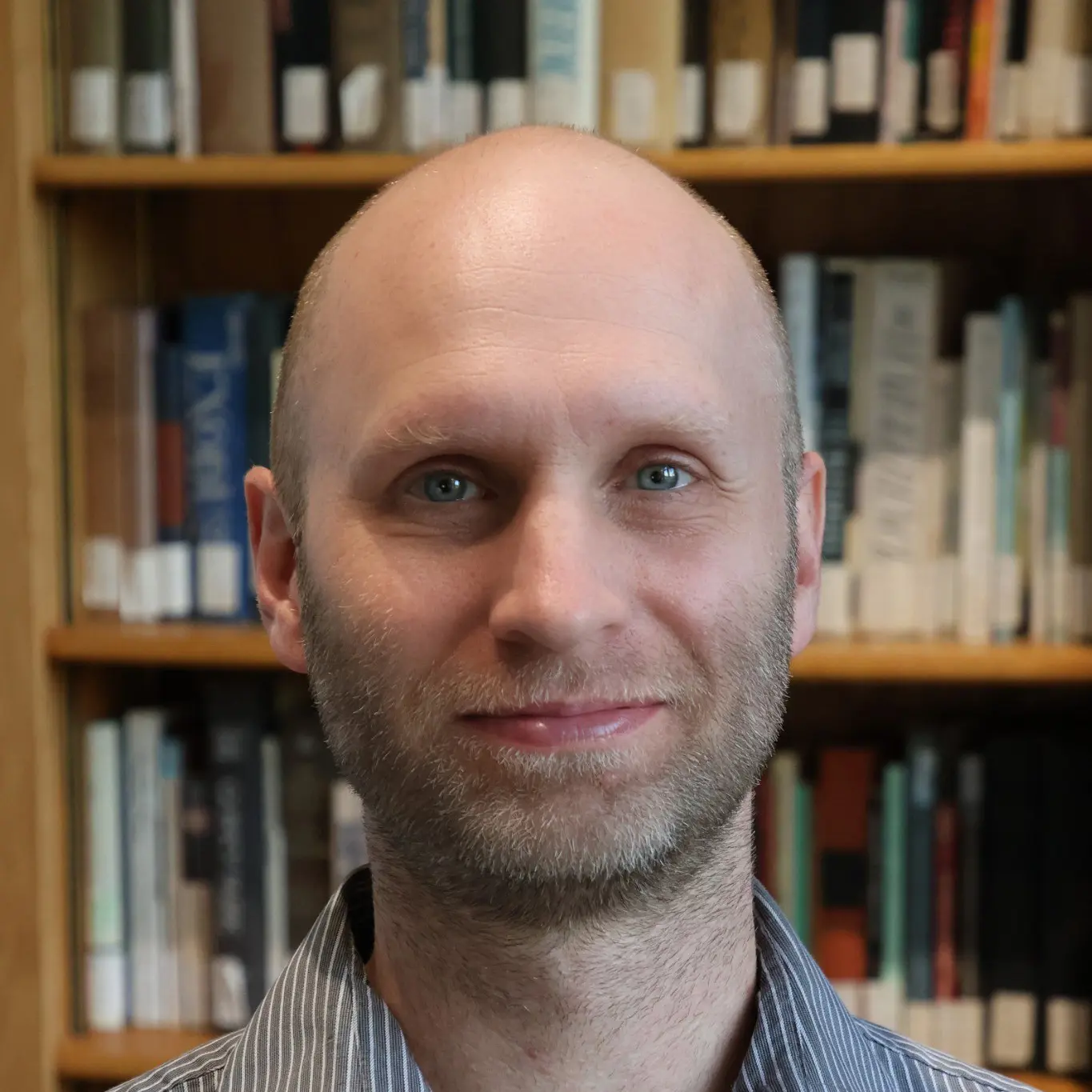
A native of Italy, Dr. Asuni joined TJ after working as a lecturer at Johns Hopkins University and at the University of Maryland, Baltimore County. He holds a PhD in Classics from Johns Hopkins University and a B.A. and M.A. in Classical Studies from the University of Pisa. At TJ, Dr. Asuni teaches Greek, Latin and Italian, and particularly enjoys showing students the connections between these three languages. In the library, you will find him in the cultural history section or reading up on colors, animals, and emotions in antiquity. In his spare time, he enjoys trying out new recipes, hiking, and playing "guess the song" with his friends.
ENGLISH AND SOCIAL STUDIES
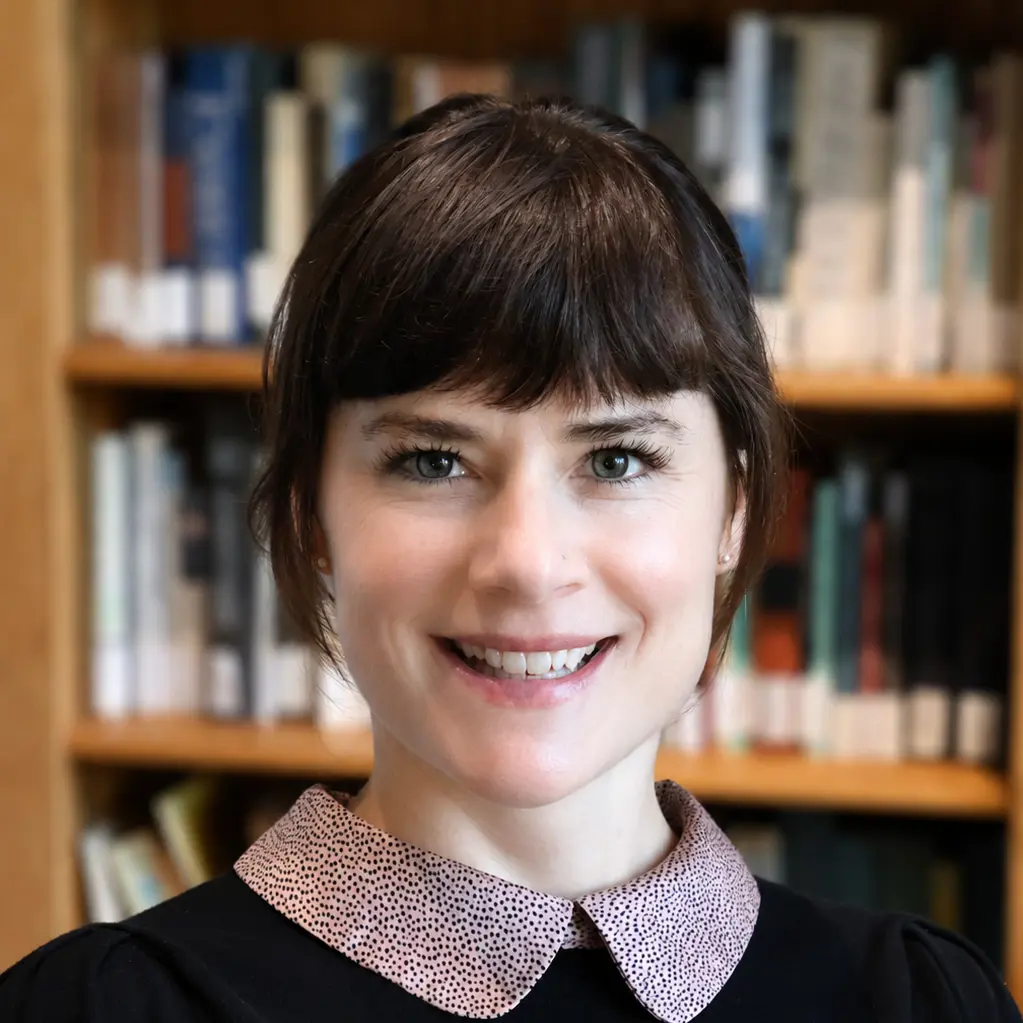
Anne Barenkamp
B.A. Rhodes College M.A. St. John's College, Annapolis
At TJ from 2013–2017; returned 2023
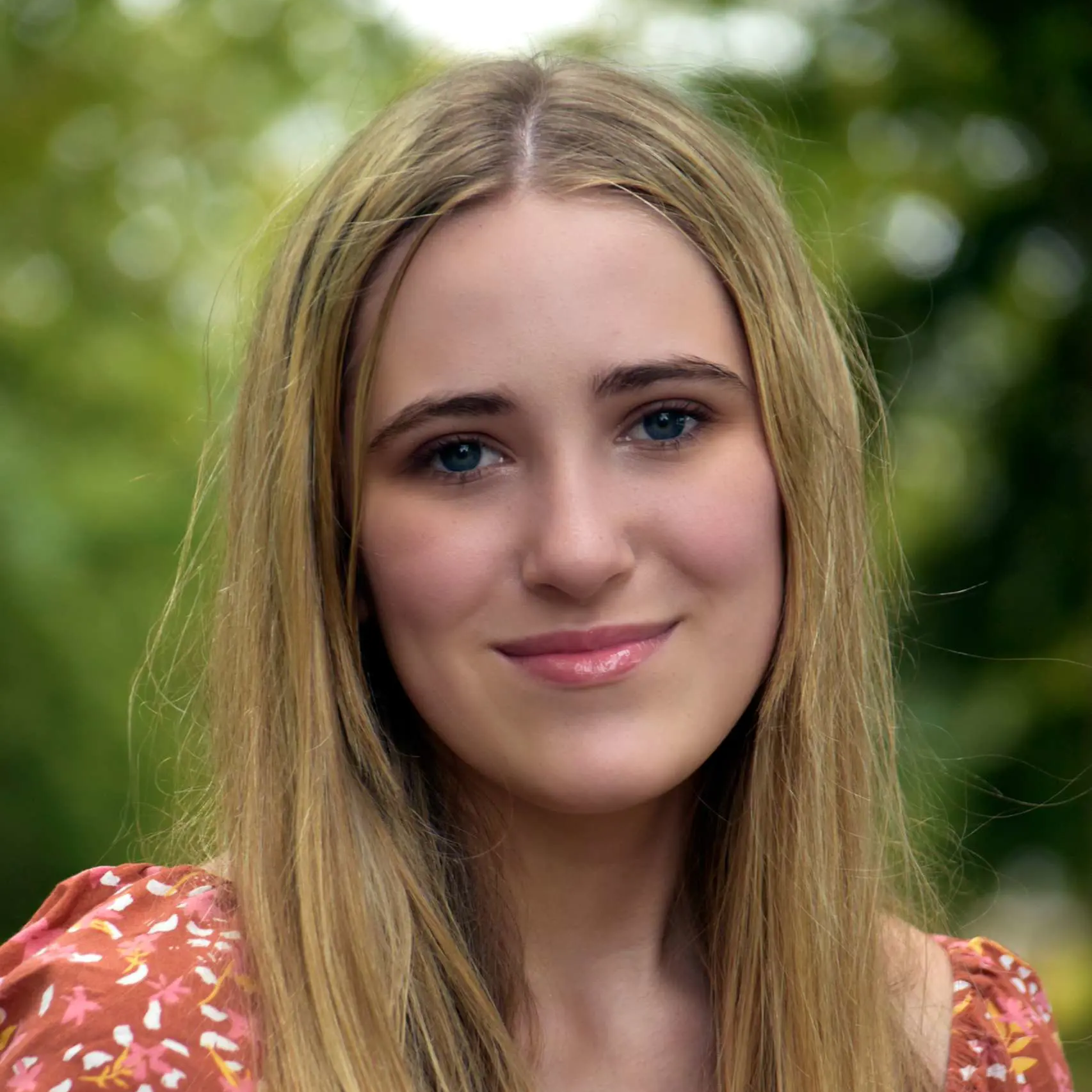
Knowing she wanted to be an educator from age 14, Ms. Barenkamp began teaching upper school Humanities in 2009 while in graduate school at St. John's College. She was first employed at TJ as a history and English teacher from 2013 to 2017, and she is now Social Studies Department Chair, a move that felt like a homecoming. Ms. Barenkamp is passionate about her love of history and literature and about helping students practice the skills required to study them well. Through historical role-play activities, reliance on primary sources, research paper projects, daily seminar discussions, mini-lectures, and plenty of visible admiration for her students, she strives to make her classroom a place of great expectations, great fun, and great transformations. Ms. Barenkamp's wish is that by the time her students complete her class in May, they will have cultivated a deeper fondness for history and literature than they had when they first joined her in August. Ms. Barenkamp grew up in Kirkwood, Missouri, where she now lives with her own family.
ENGLISH AND SOCIAL STUDIES, DIRECTOR OF MIDDLE SCHOOL
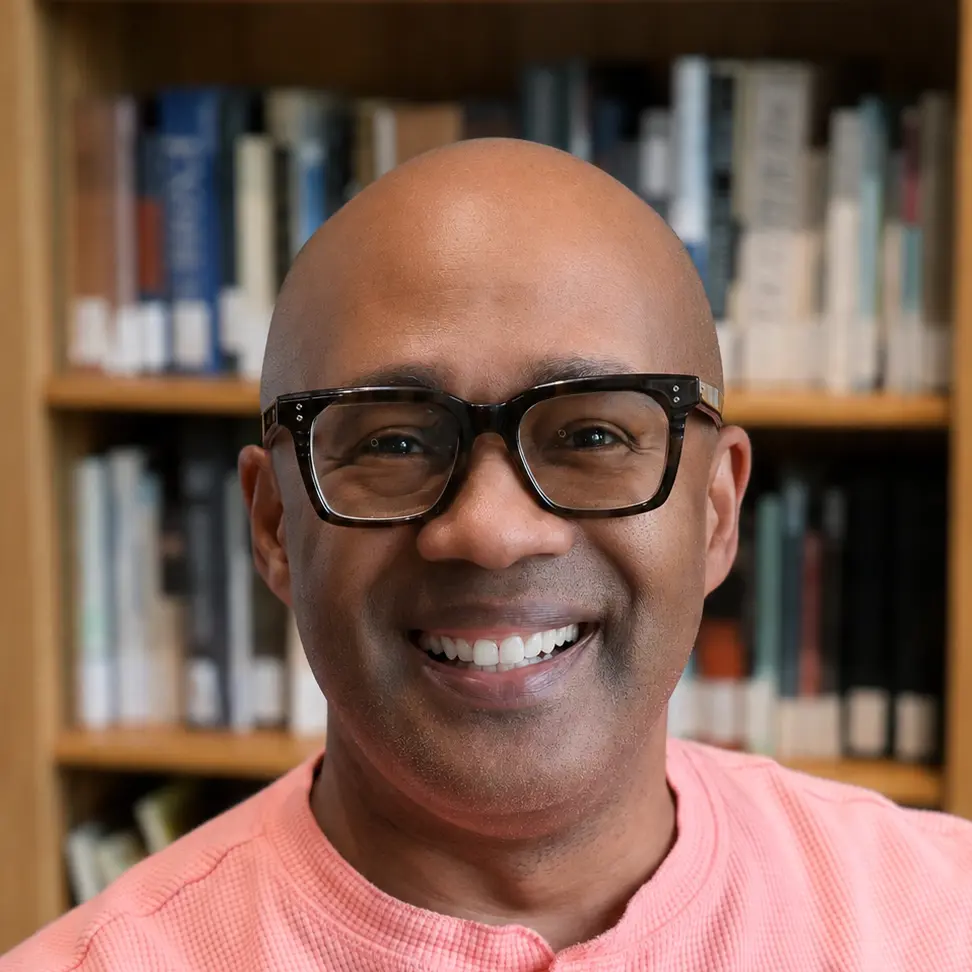
Raymel Speed
University of Missouri St. Louis
Joined TJ in 2024
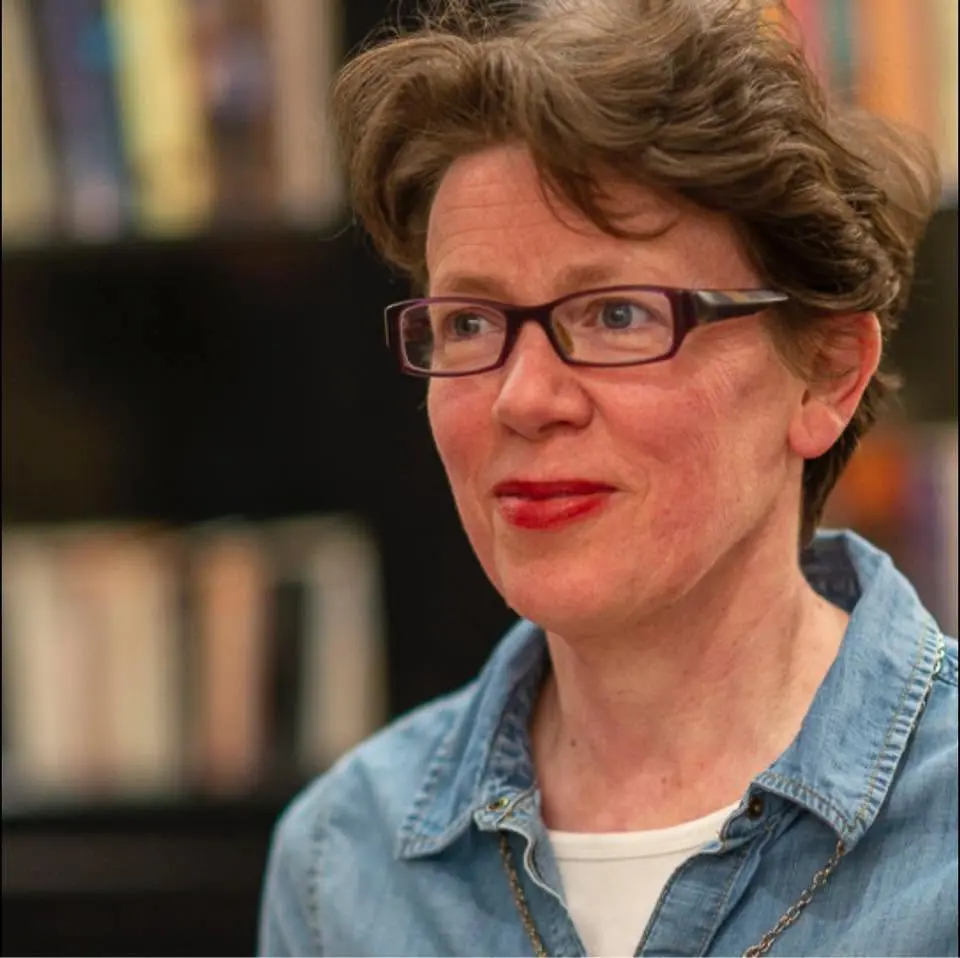
After a twenty-year career with the Federal Reserve Bank of St. Louis and Edward Jones, Mr. Speed was drawn to education and completed the Post-Baccalaureate Teacher Licensure Program at UMSL. He taught at City Academy from 2016 to 2022, then spent two years at Nishimachi International School in Tokyo before returning to St. Louis and joining us at TJ. Mr. Speed is known for his playful sense of humor, thoughtful approach to middle-school development, and distinctive Japanese-inspired fashion style.
MATH AND SCIENCE, DIRECTOR OF STUDENT AFFAIRS
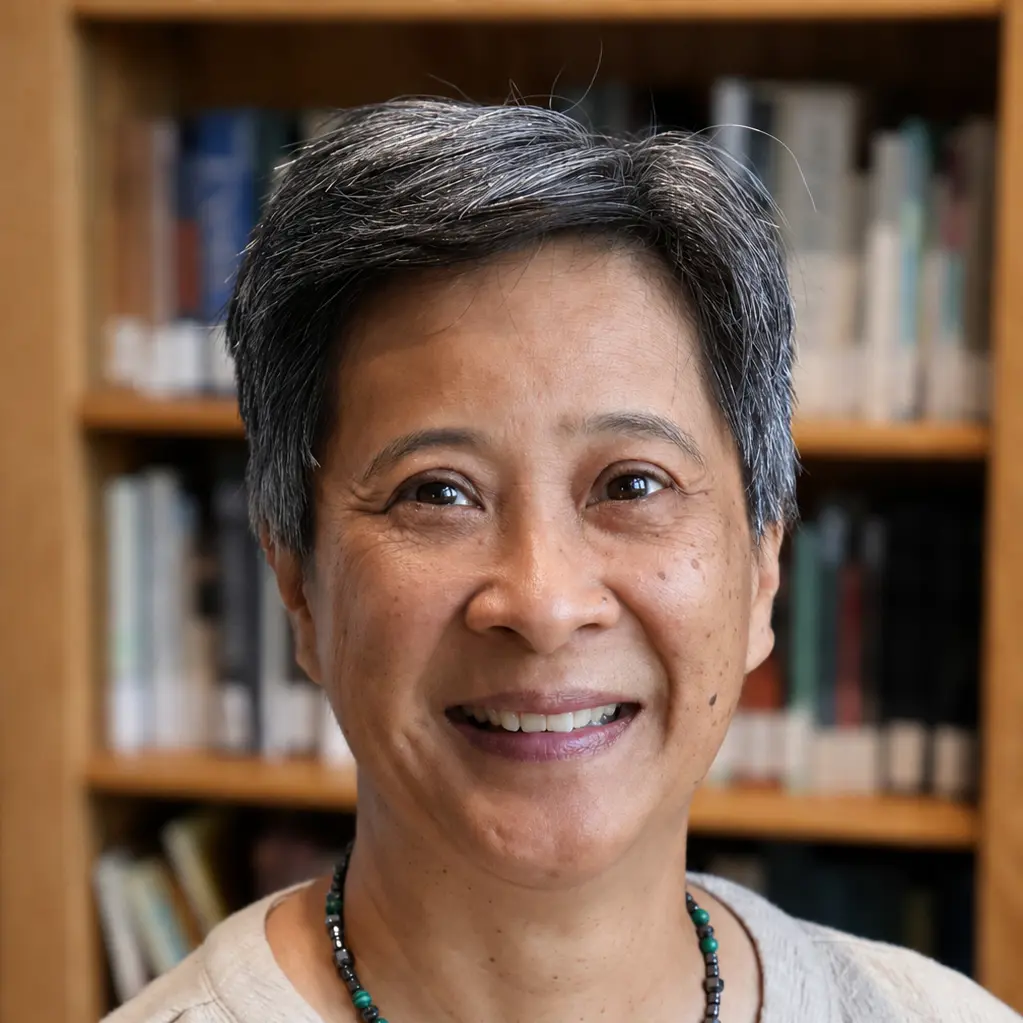
Marie De Jesus
B.A. Kenyon College
M.A. Univ. of Missouri-St. Louis
Joined TJ in 1989
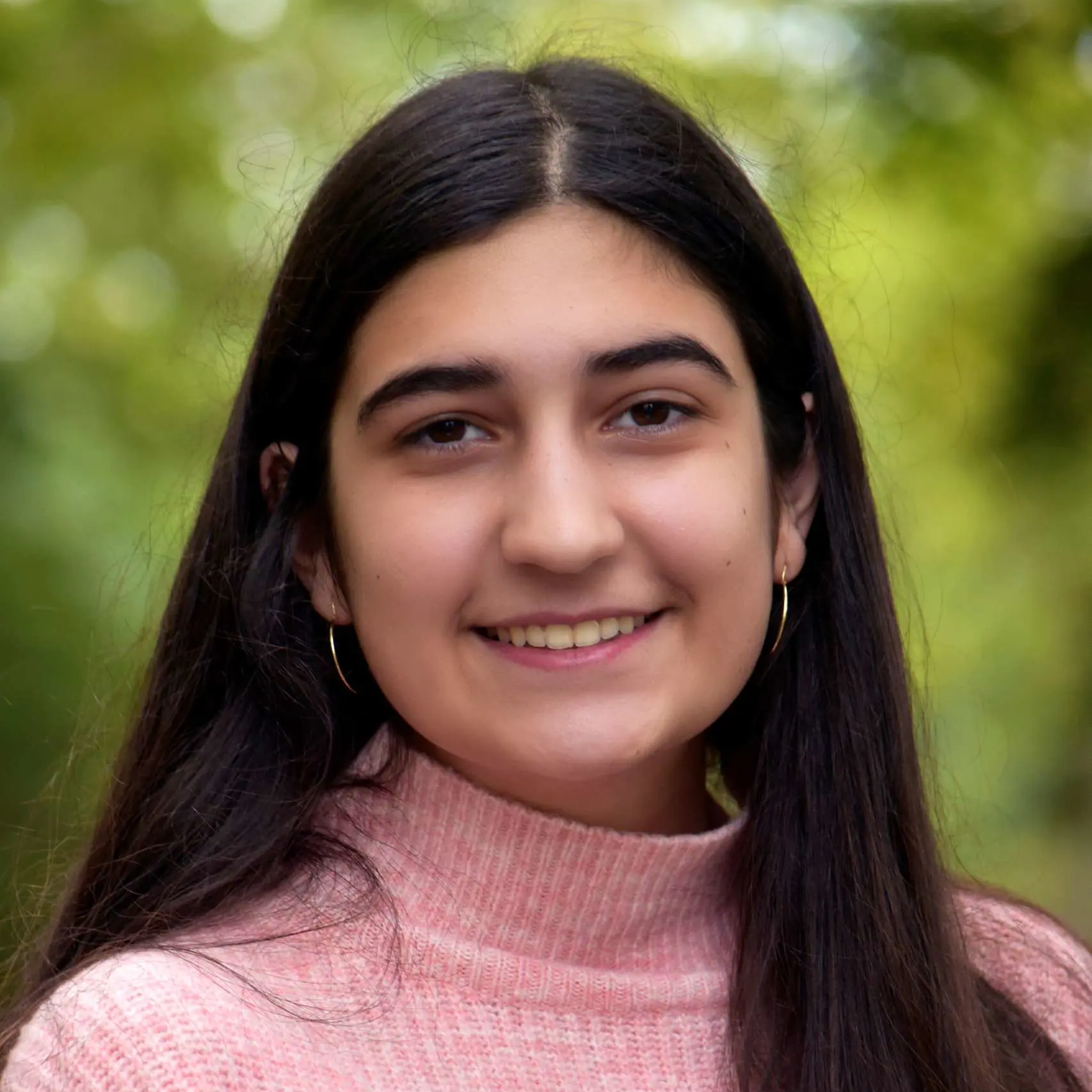
Fun Fact: Proud to be 1st Generation Filipina-American! Marie De Jesus was raised in Shaker Heights, Ohio, and in 1989, she completed her B.A. in Chemistry from Kenyon College. Her passion for learning led her to her first job: teaching chemistry and math at Thomas Jefferson School. While teaching, she earned an M.A. in Secondary Administration from UMSL. Marie also coaches volleyball, sharing her love for the sport with her students. In her spare time, she enjoys the company of her dog and two cats, and travels to reconnect with family and friends or to discover the various regions of Italy.
At most schools, every hour is accounted for. The schedule tells you where to be and the teacher tells you what to do. Then it’s on to the next class.
Classes at TJ don’t fill your entire day. Between them, you’ll have time to get your work done, meet with a teacher, spend time with friends, or dig into something that interests you.
As you get older, you decide more of what to do with that time. You’ll learn to manage what’s expected of you while making time for the things that make school enjoyable.
It comes down to a question most schools don’t give you much chance to answer: what do you do when it’s up to you?
A small school can contain a surprising amount of the world. Your classmates may have grown up in St. Louis, Seoul, Nairobi, or Shanghai. You get to know people whose lives and experiences may be very different from your own.
Before long, those differences are simply part of everyday life. You discover what you have in common and how differently someone else can see the same thing. Here, a different perspective might be your roommate, your lab partner, or the person sitting next to you at dinner.
At TJ, your report card tells you how you've grown, not just how you scored.
Teachers don’t just grade. They observe. Every term, in every class, you receive written feedback about the progress you’re making and where you still have room to grow. Your advisor brings those observations together, giving you a fuller picture of your experience at TJ.
Then you sit down together and talk it through. Not just the grades, but what has changed since the last time, where you might be getting stuck, and what comes next. After years of these conversations, you know yourself better as a learner. You know what challenges you, what helps you move forward, and when to ask for help.
By the time you’re thinking seriously about college, you’ve already spent years thinking about how you learn and who you’re becoming.
Parents see the difference, too. When we ask families what stands out about communication at TJ, our quarterly grade letters and the close relationships between faculty and families come up again and again.
“Grade letters offer a meaningful representation of a student’s overall experience each quarter—they provide context and perspective that go beyond individual scores and numbers.”
Jim Pesek, Faculty
STUDENT'S VIEWPOINT
“I love how the grade letters are so personal and that the teacher tells you ways you can improve.”
Cara Fagan ‘29
PARENT'S VIEWPOINT
“So thankful to be at TJ. After 6 schools in 6 years, we found TJ and are now thriving!”
Lara Thornley Hall ‘P27
STUDENT'S VIEWPOINT
“It is really cool to have a teacher recognize you for your hard work, and not just give you a letter grade, but express how well you did a specific project in their class.”