Middle School Co-Curricular Learning | Thomas Jefferson School

Co-Curricular Learning

Middle School

Co-Curricular Learning

Learn more about TJ's middle school co-curricular learning below.
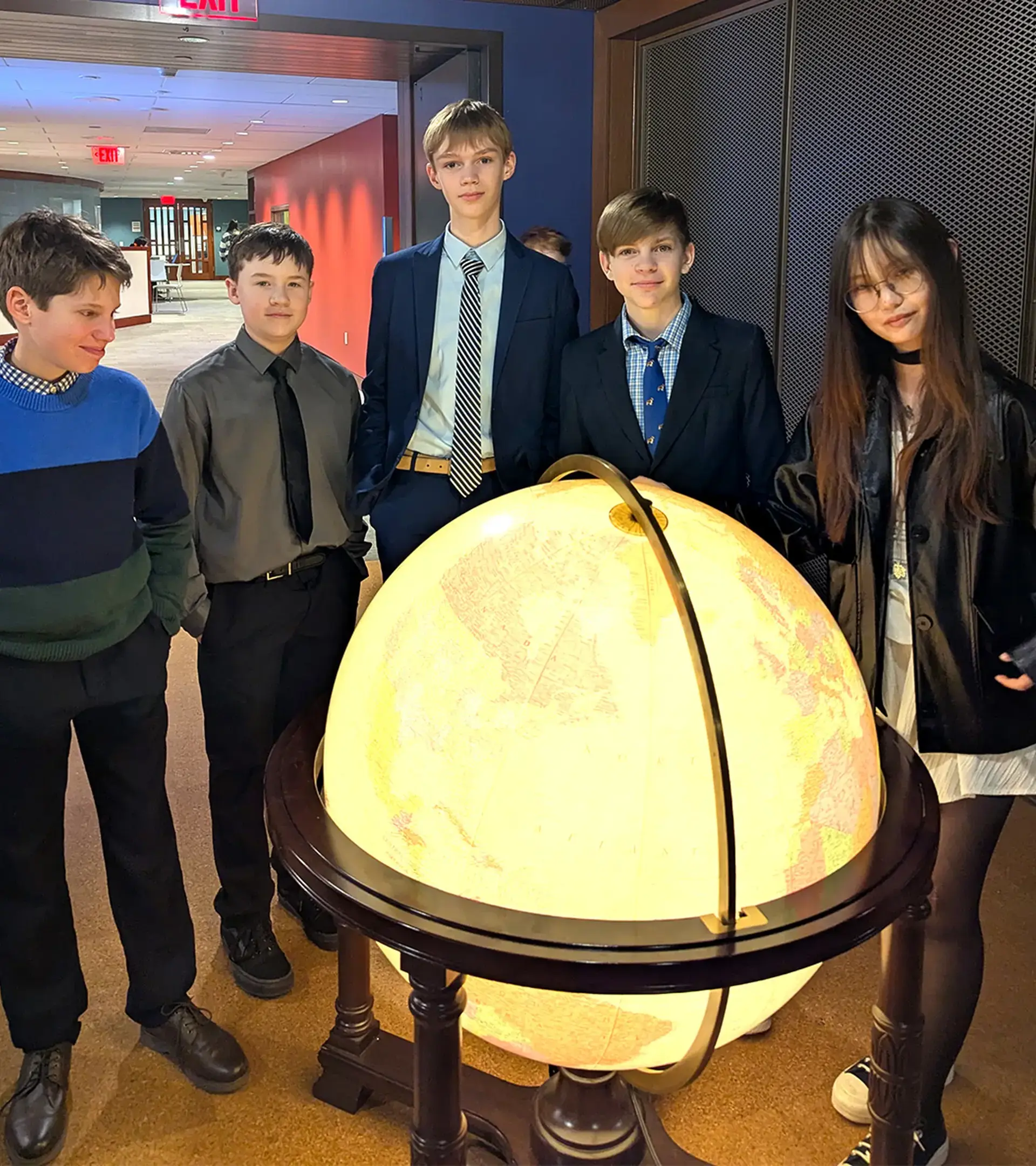
 

Learning Beyond the Classroom


Middle school at TJ is about more than getting ready for harder classes.


It is also where you begin learning how to manage yourself, contribute to a community, and think about where your interests might take you.


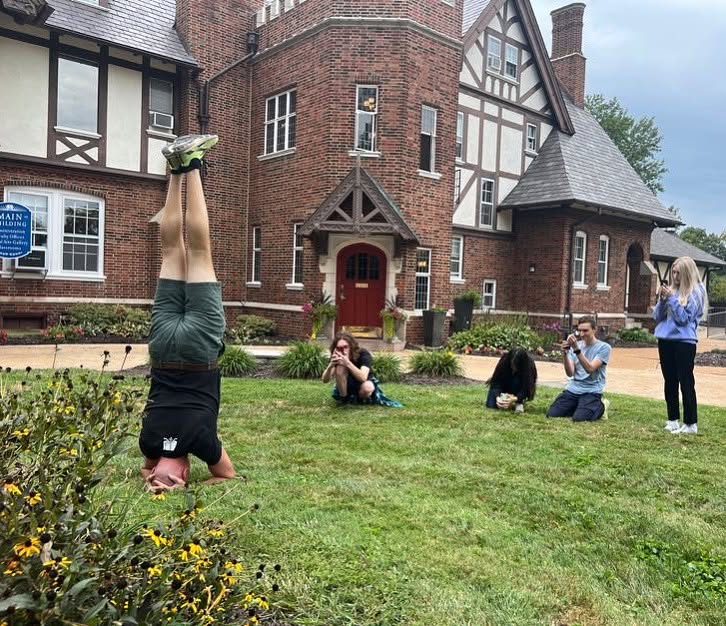
Some of that happens in English or science. Some of it happens during community time, on a field trip, through service, or in a conversation with a faculty member who helps you see something differently.


More Than a School Day


TJ builds these experiences into middle school life because becoming a capable student is only part of the goal. You are also learning to be more independent, understand yourself better, and find your place in a larger community.


MIDDLE SCHOOL ACADEMICS    LIFE ON CAMPUS


Building Your Skills For Life


Some skills are too important to leave to chance. TJ incorporates co-curricular programming into every student’s weekly schedule, giving middle school students regular time to think about how they manage their work, relate to other people, and take increasing responsibility for themselves.


Time set aside to grow


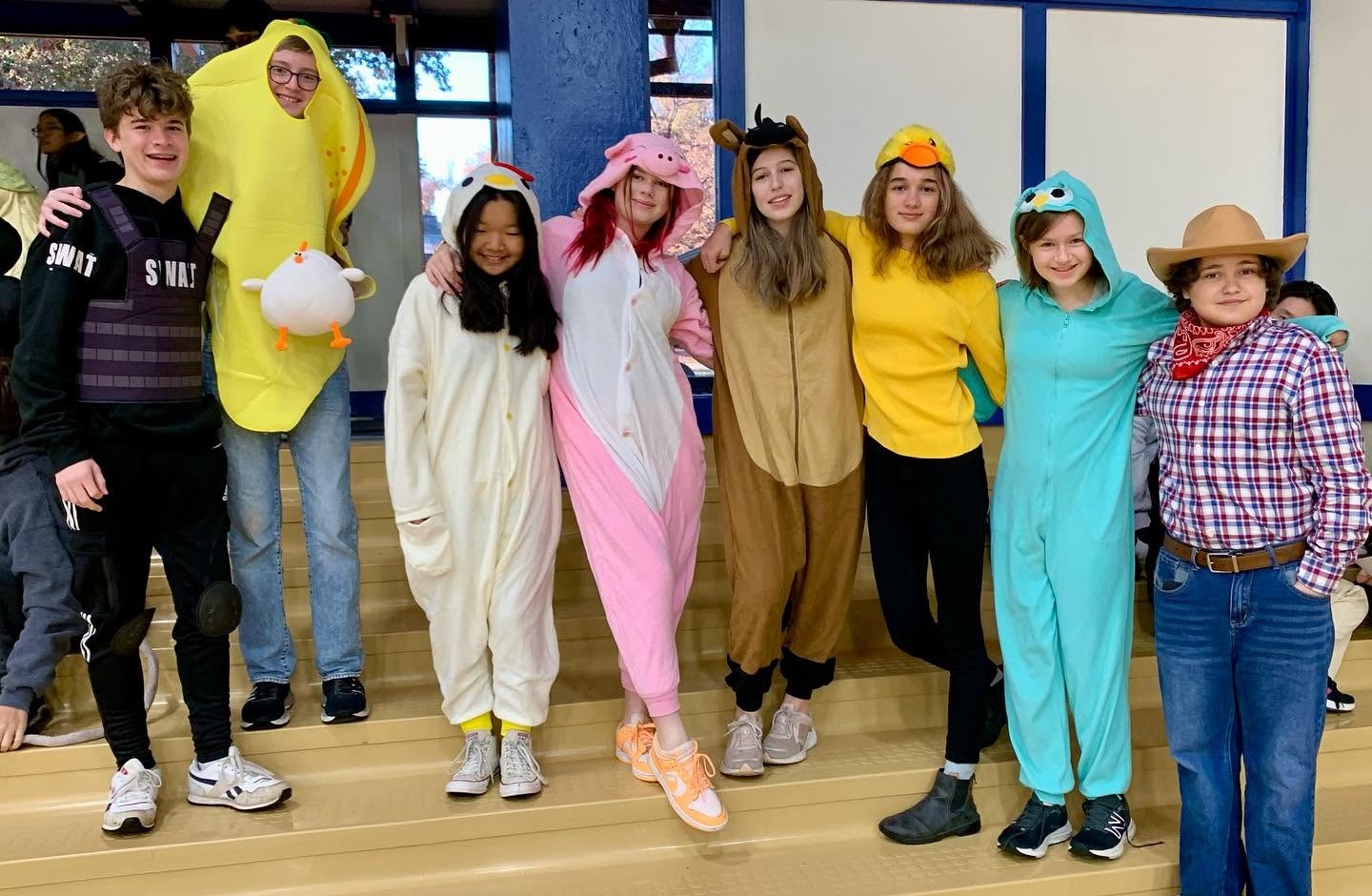
During community time, faculty and staff lead grade-level conversations and activities designed around the questions and challenges students are encountering at this age.


Topics include organization and time management, active listening and difficult conversations, healthy relationships, physical and emotional health, nutrition, and age-appropriate health education.


The goal is practical: to give you more tools for handling school, relationships, responsibilities, and the increasing independence that comes with getting older.

Learning Through Service


Being part of TJ also means learning to look beyond TJ.


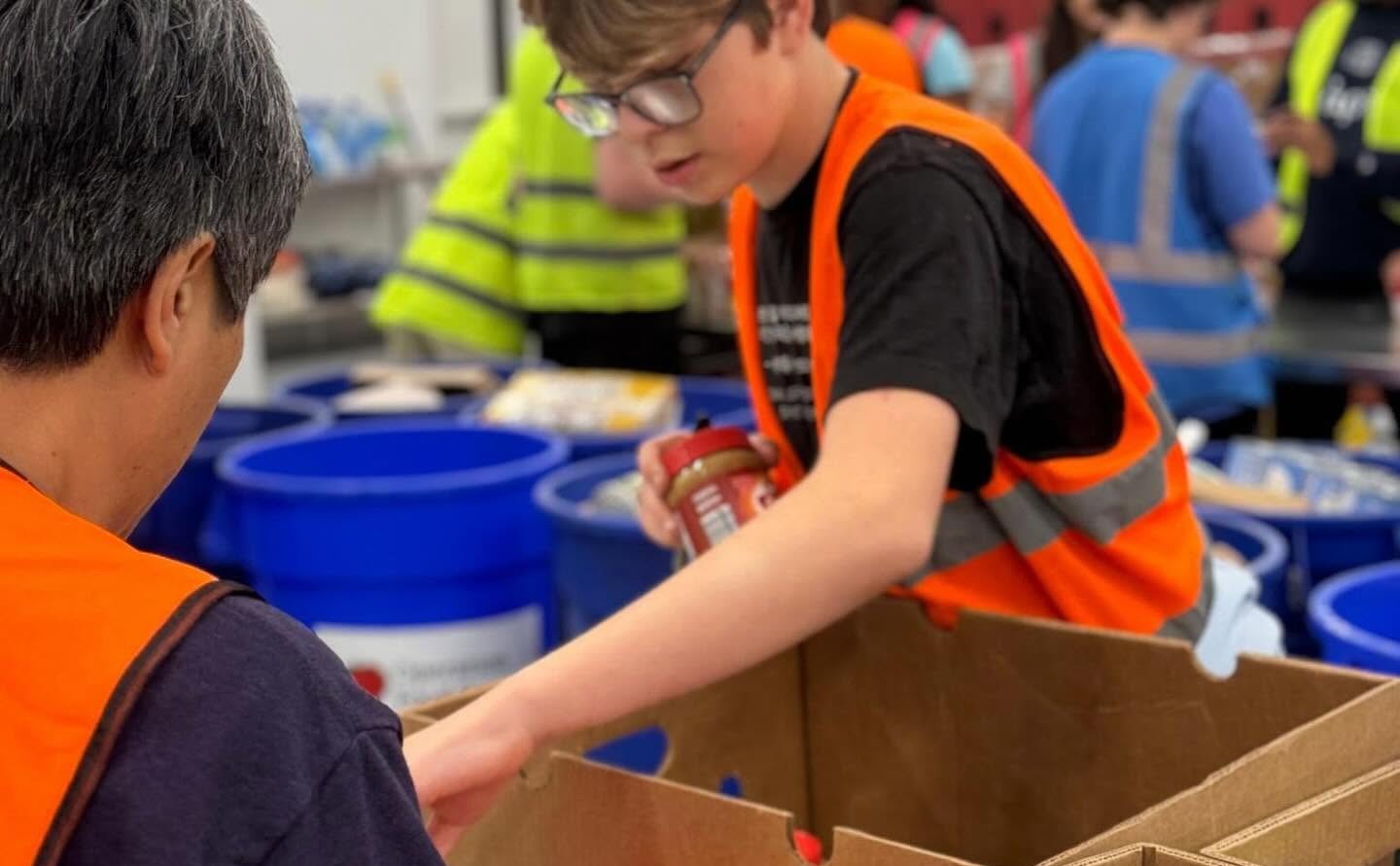
Middle school students take part in service alongside older students and faculty, including TJ’s annual All-School Service Learning Day. It is an introduction not just to volunteering, but to the many organizations and people in our wider community who depend on others showing up to help.


At this age, the goal is exposure. Students encounter different kinds of service, work alongside people they know, and begin discovering where their own interests and abilities might be useful.


In high school, the responsibility shifts to you. Students who enter TJ by ninth grade complete 75 hours of service before senior year. While TJ continues to offer service opportunities, students complete most of those hours through their own initiative.


That progression is intentional. You begin by serving together and seeing what is possible. Over time, you learn to identify a need, decide how you can contribute, and take responsibility for doing it. The hours matter, but learning to notice where you can be useful matters more.


Learning to Take the Lead


College Counseling Starts Earlier Than You Think


Independence isn’t something students suddenly acquire when they leave for college. It is something they learn by being trusted with it, a little more each year.


Before the College Search


You will not be building a college list in seventh grade. At this stage, college preparation means learning how to manage challenging work, use your time well, ask for help, and begin understanding what kind of student you are.


The Director of College Counseling meets with students in every grade, including middle school, so the relationship begins years before applications do.

Getting Comfortable with What Comes Next


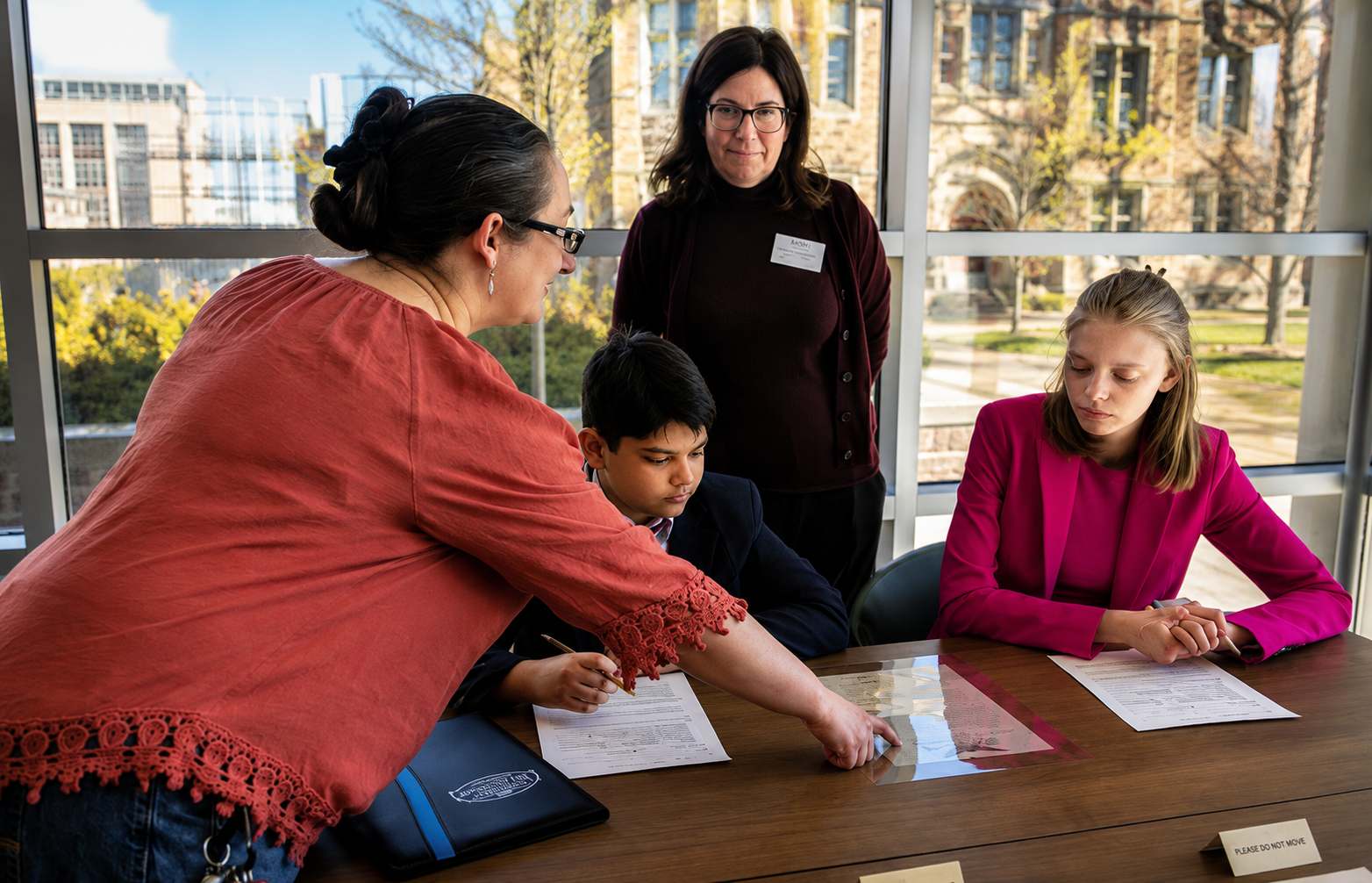
Long-term projects can take middle school students onto university campuses, where they work alongside older students and become more comfortable approaching professors with questions. 


By the time college counseling becomes more formal in high school, students have already spent years practicing the habits that make those choices more meaningful.


The World Is Your Curriculum


Not every TJ lesson happens at a desk.


Field trips are a regular extension of classroom work. Sometimes that means heading across St. Louis to a university, museum, research facility, performance, or garden. Other times, learning takes students much farther from campus.


Depending on the course and year, students might study art at the Saint Louis Art Museum, conduct research at Washington University, or take what they have learned with them on an international experience in places such as Greece, South Africa, or the Galápagos.
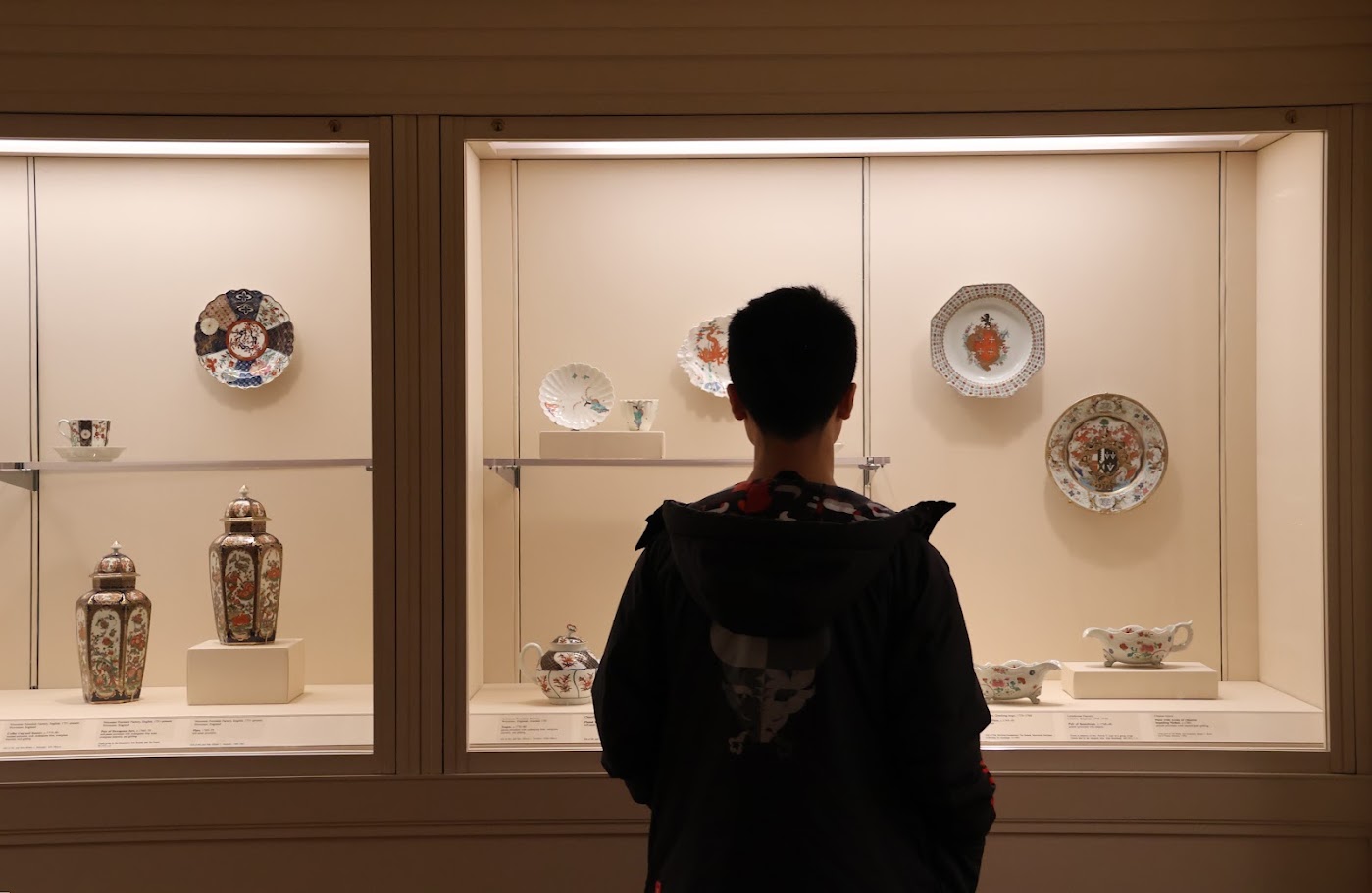


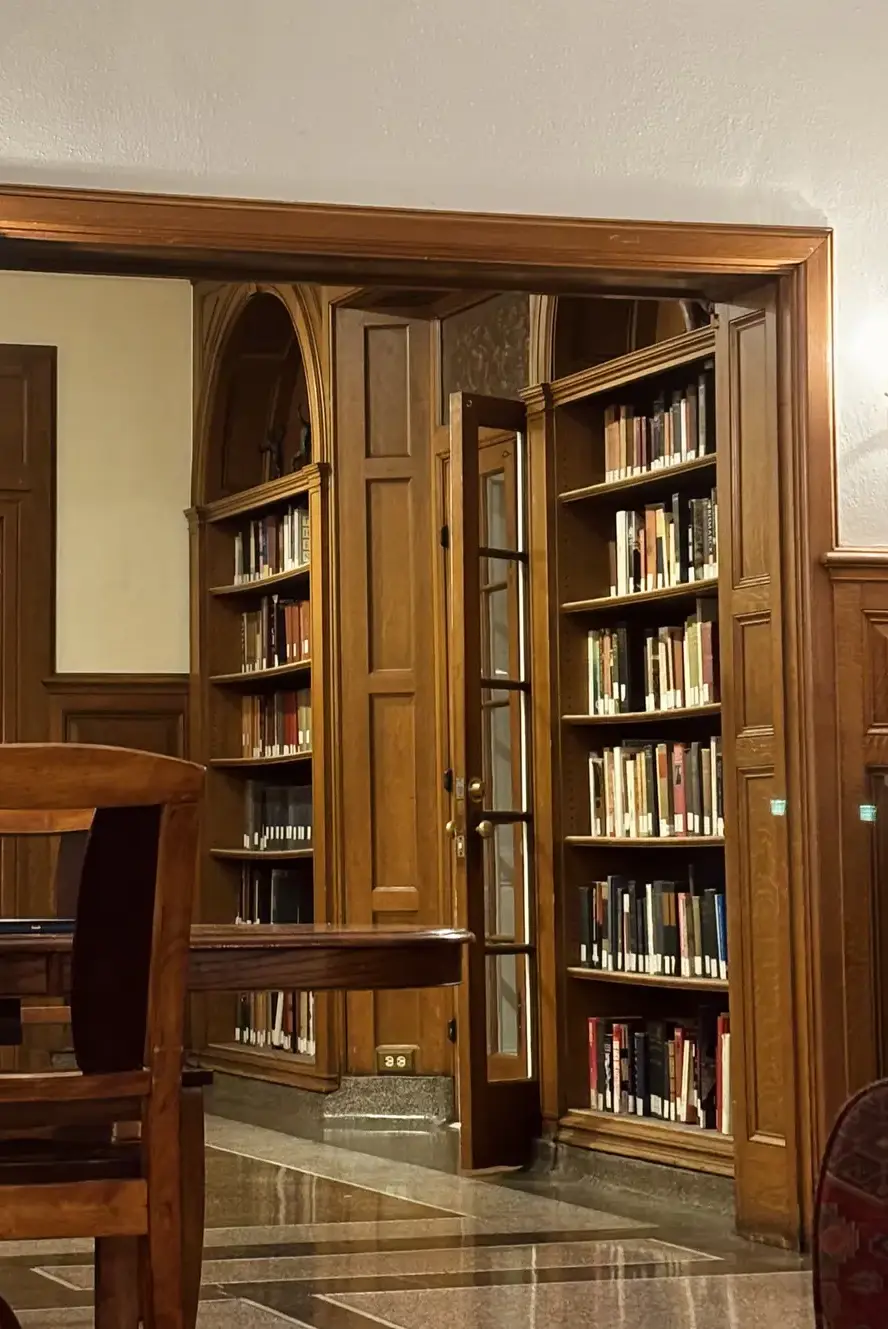
Students learning at the Saint Louis Art Museum

Art History at the Saint Louis Art Museum

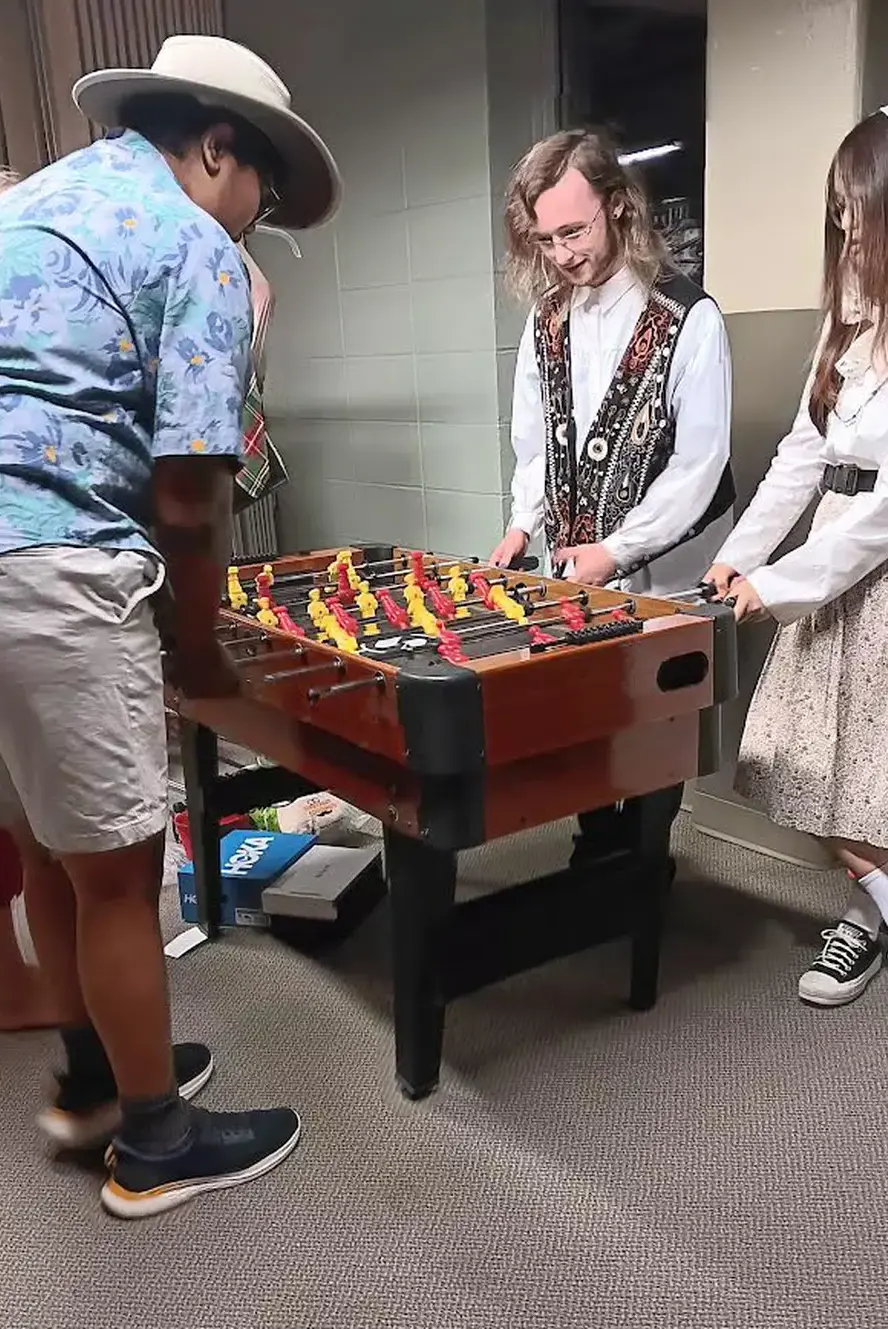
Students conducting research at Washington University

Research at Washington University

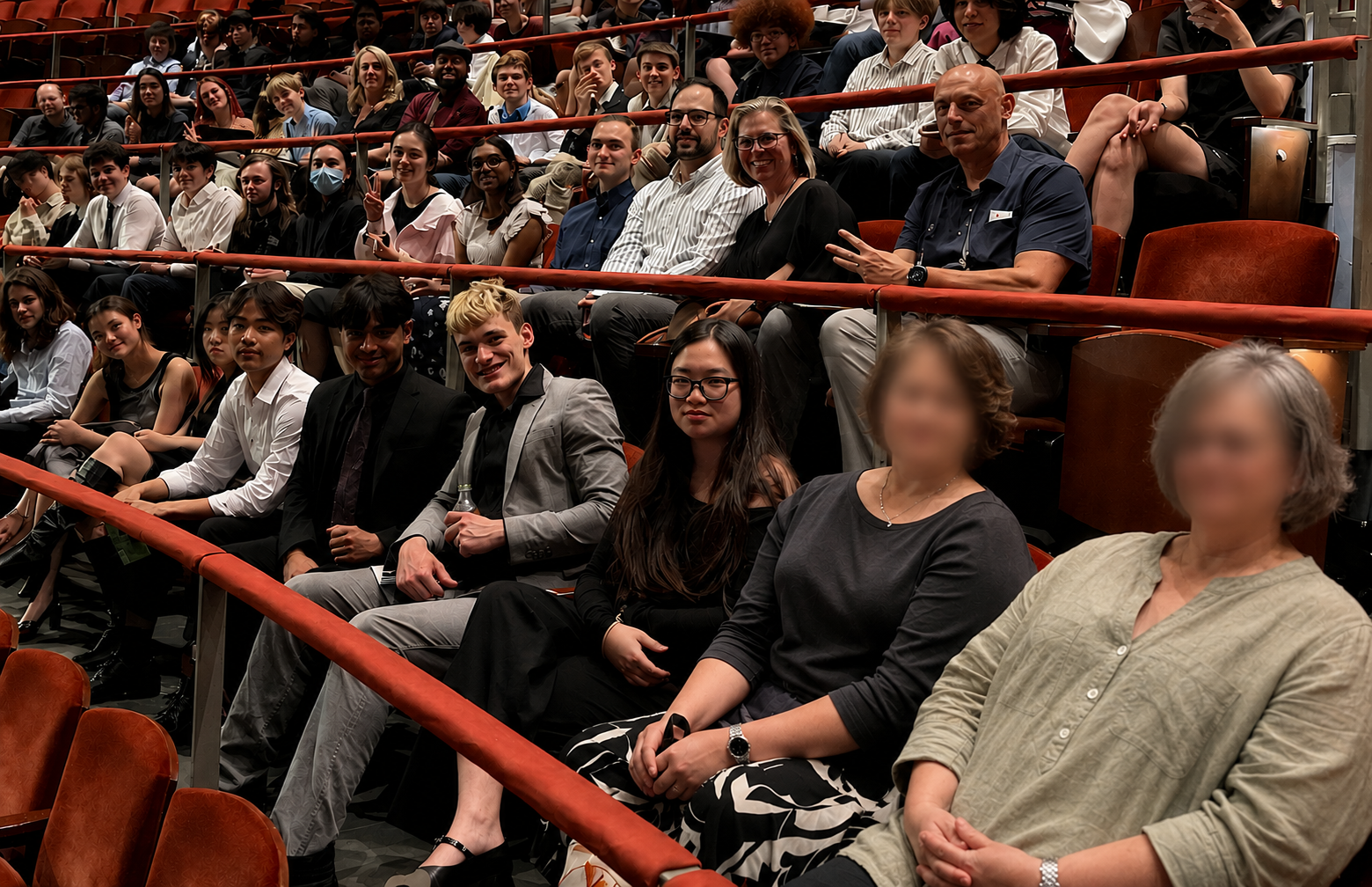
Students attending a performance in St. Louis

Performances and Cultural Experiences

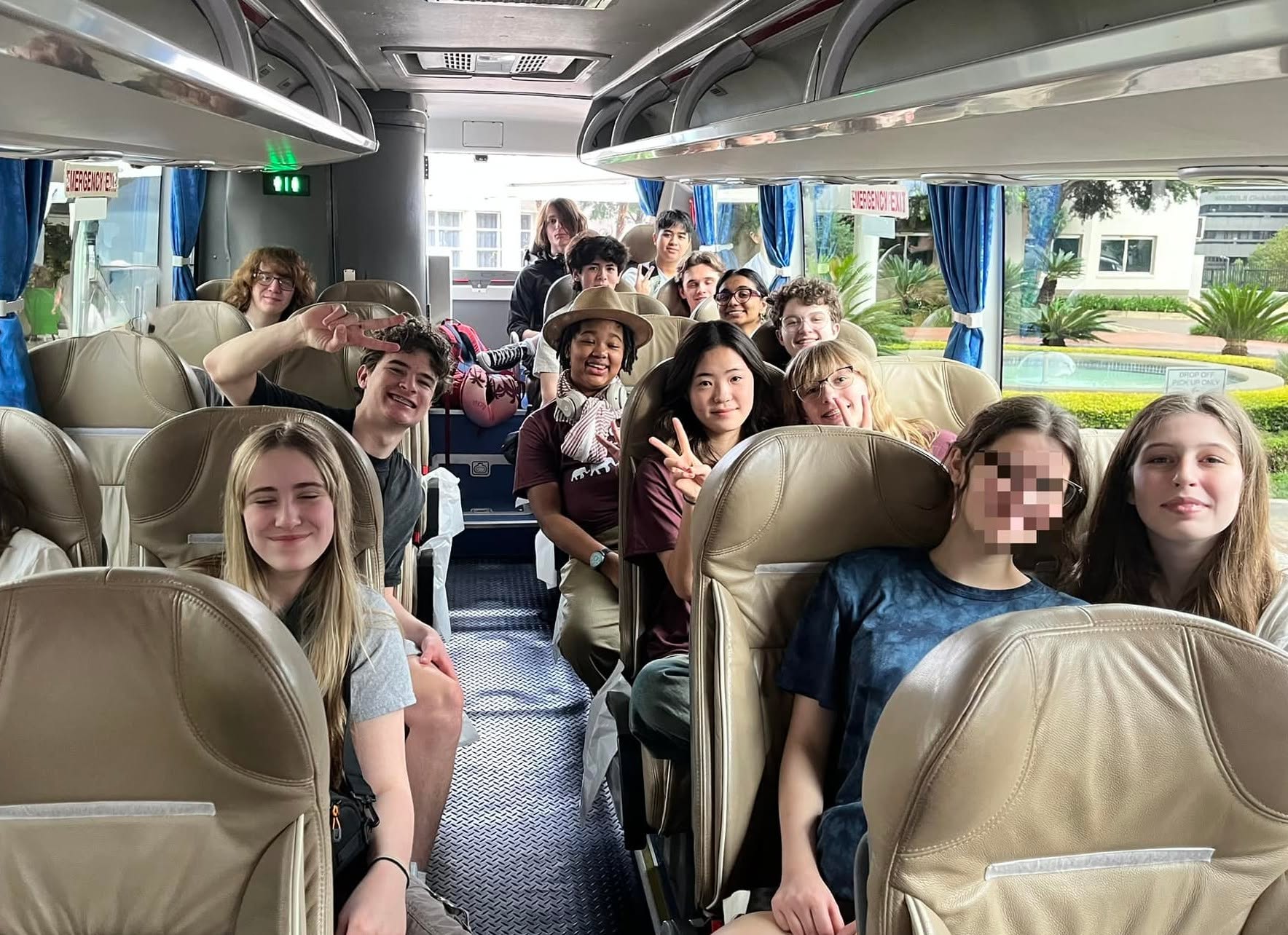
TJ students in South Africa

TJ Students in South Africa, 2024


Because TJ is small, these experiences do not belong only to a select group of students.


Students go together, teachers connect experiences back to what they are studying, and what happens away from campus becomes part of the conversation when everyone returns. Whether the destination is across St. Louis or across the world, the idea is the same: sometimes the best way to understand something is to go see it for yourself.